






A new trend is redefining the hospitality industry and capturing foodies’ attention worldwide: immersive dining.
Immersive dining, also known as experiential dining, has elevated mealtimes into a multi-sensory, interactive experience. Although food is still at the center of the restaurant service, experiential dining combines the use of atmosphere, music, lighting, design, storytelling, staff and client interaction, presentations, and sometimes, even technology or live entertainment to engage their guest’s senses and emotions.
This emerging culinary concept differs from excellent service, which just about any restaurant can provide. Excellent service generally entails servers catering to your preferences and anticipating your needs, or staff being warm and accommodating, making customers feel genuinely welcome. On the other hand, immersive dining goes over and beyond this. Experiential dining doesn’t just aim to delight guests, it embraces them to become active participants in the culinary journey they are about to partake.
Mapúa University professor and hospitality industry expert Ridge Rebello explained that this dining concept came about because restaurants needed alternative ways to stand out from the sea of dining options in the market.
He explained that restaurants have gradually evolved their focus from selling a product to selling a service, and now to selling an experience. Make no mistake, people still want quality food, good value, cleanliness, and good service. However, alongside these, customers also want a personalized touch and gastronomic adventure they can call their own.
“Diners today are looking for more than just good food. They want something memorable—whether that’s a unique atmosphere, personalized service, an interactive element, or simply an experience that’s different from what they can get elsewhere. Nowadays, guests want to remember how the whole evening made them feel, not just what they ordered,” said Prof. Rebello.
This scenario explains why a good number of establishments now have open kitchens and offer tableside preparation, chef’s tasting menus, themed environments, storytelling, interactive menus, and multisensory elements.
Prof. Rebello clarified, though, that immersive gastronomy doesn’t necessarily require expensive technology or projection mapping. Even Filipino-themed restaurants can provide culinary adventures if they create an atmosphere around heritage or regional roots; tell the story behind each dish, use thematic music and design elements, integrate guest participation, and invite diners to contribute to the mood and narrative.
Authentic experiences such as these may draw in more clientele since people tend to post reviews online. With more guests relying on social media to discover new food options, establishments that offer this brand of gastronomic escapism could have a better chance of meeting guests’ expectations as well as reaching their bottom line.
Despite the increasing interest in immersive dining, Prof. Rebello roughly estimates that less than 10 percent of restaurants in the Philippines offer this experience. He predicts that more establishments will adopt elements of experiential dining in the coming years, but they will probably not be fully-immersive since this need expensive, high-end, technology. Future restaurants will likely focus on engaging storytelling, interactive service, tableside preparation, or a unique atmosphere to give customers a distinctive memory beyond the meal.
Prof. Rebello also cautioned that restaurants should remember to balance experience with food quality and genuine hospitality. Even if diners have an unforgettable multisensory meal, if the food isn’t good, they might not come back.
Restaurateurs also need to understand their guests better so they can deliver personalized service. Through the use of restaurant technology services, hospitality professionals can maximize customer data so they can address preferences, dietary needs, special occasions, seating requests, and other details that lend a personal touch.
Trends such as immersive dining will continue to evolve and reshape local and global hospitality industries, which is why future professionals must be technically adept, creative, and have strong business acumen.
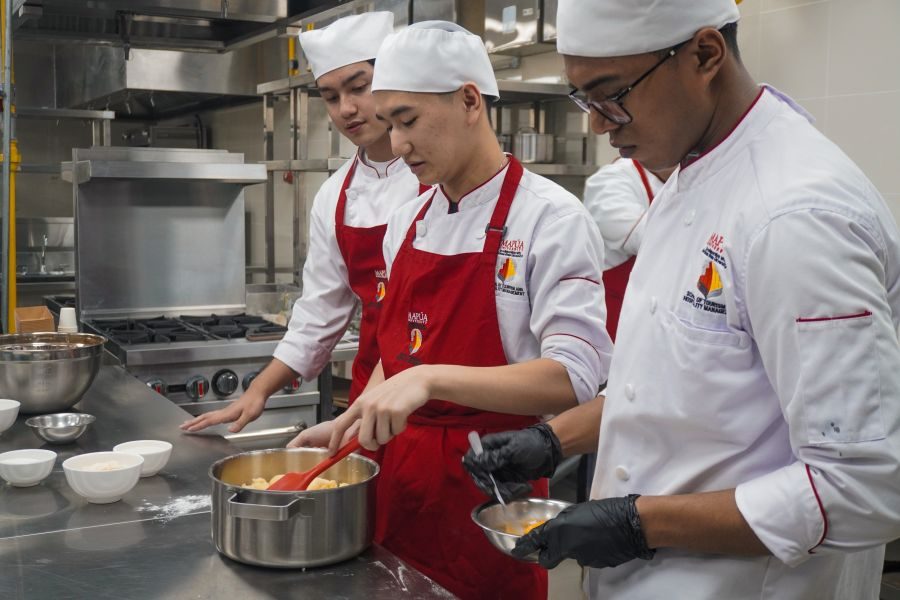
At Mapúa University, students learn with real industry scenarios, study consumer behavior and trends, devise strategies and ideas using actual case studies, and train with reputable local and international industry experts, so they can lead the hospitality industry trends and set the standards in the future.
To learn more about Mapúa’s Hospitality Management program, visit www.mapua.edu.ph and begin your journey to a world-class, future-focused education today.